
Introduction
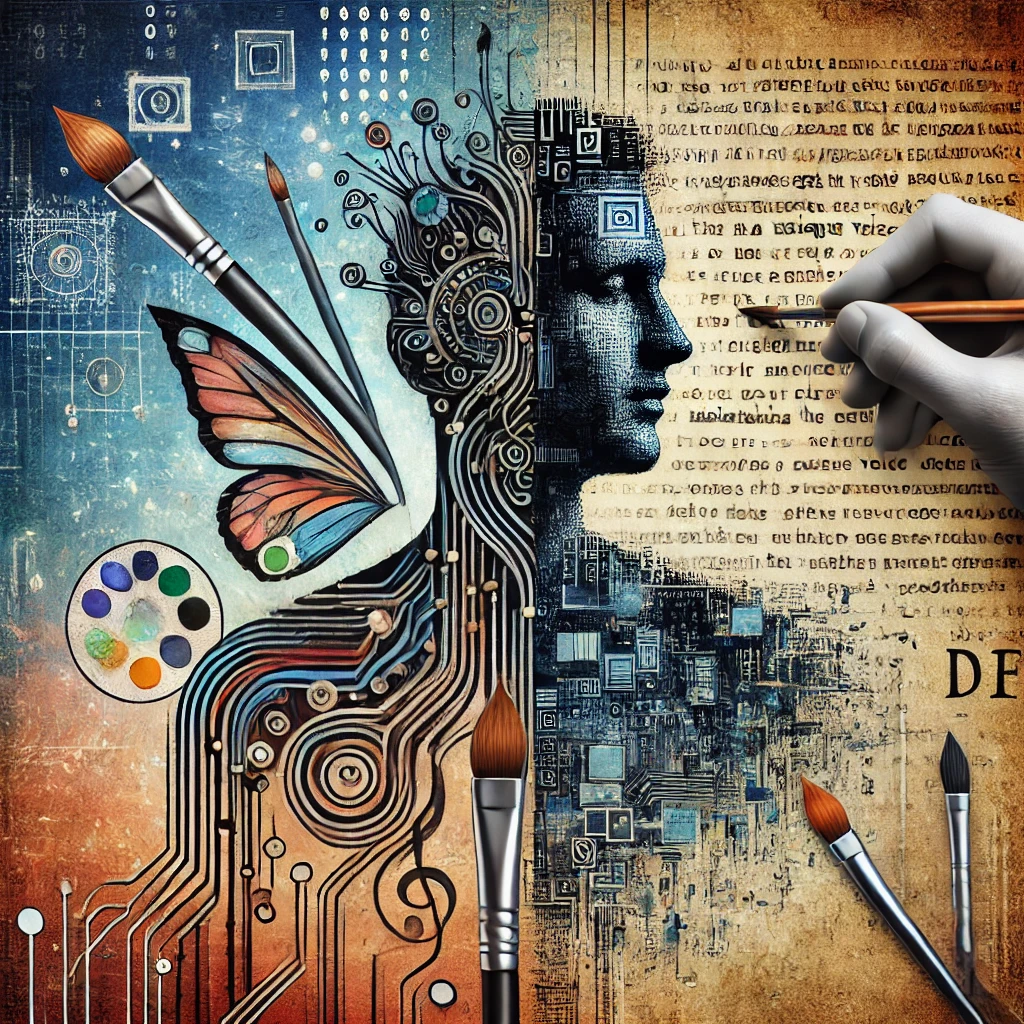
As artificial intelligence (AI) becomes a bigger part of our writing tools, it’s changing how we write. Programs like Grammarly and Hemingway not only help us write clearer and more concisely but also influence our writing style to become more like theirs. Meanwhile, these AI tools are getting better at mimicking the way we write by learning from the huge amount of content created by people every day. This mutual influence is blurring the lines between what’s written by humans and what’s generated by machines. It might seem easy now to tell the difference, but what about in the next 5, 10, or 20 years?
The Evolution of Writing in the AI Era
AI tools that help with writing are now very common. They offer tips to improve our grammar, style, and sentence structure. This constant interaction subtly encourages us to mirror the AI’s methodical and optimized way of writing. For many of us who regularly use AI writing tools, our own writing may start to resemble AI-generated output, becoming more systematic and predictable. Have you ever written something without AI help, only to have an AI detector suggest it was written by a machine? I’ve experienced this firsthand!

The Arms Race in AI Detection
This shift leads us into a kind of evolutionary arms race. On one side, AI detection tools are designed to spot content that doesn’t seem to be human written. On the other, as we adapt more to AI styles, these tools may struggle to spot the difference. Are we heading towards a future where it’s increasingly difficult for these tools to distinguish between human and machine?
AI detectors are evolving, constantly updating to catch new patterns. But as AI writing tools improve and become more widely used, they may outpace the abilities of detectors. This could make such tools less effective, challenging their usefulness now and in the future.
The Threat to Unique Writing Styles and Tones
As we continue to use AI tools for their efficiency and consistency, there’s a concern about the potential loss of unique writing styles and tones. AI writing tools often push a standard style focused on clarity and brevity, which might overshadow unique expressions and personal styles over time. This could make all writing sound similar, which would be a loss for literary diversity. For writers and journalists, keeping a unique voice isn’t just about personal style, it’s crucial for connecting with and impacting their audience.
Moreover, the predictive nature of AI, based on vast datasets of existing writing, can discourage experimentation with unconventional or emerging styles. Writers may find themselves conforming to AI-suggested norms, which could hold back innovation in writing.
Maintaining a Unique Voice in the Age of AI Writing Tools
It’s important to keep our unique writing styles even as we use AI tools more. Here are some ways to do that:
- Educational Workshops: Participate in or organize workshops that teach how to use AI tools without losing your personal style.
- Hybrid Writing Techniques: Use AI tools for basic tasks like fixing grammar, but make sure the creative parts like tone, style, and narrative come from you.
- Customizable AI Settings: Support the development of AI tools that let you customize settings to match your style, which can help the AI learn from your preferences.
- Diverse Training Data for AI: Encourage the use of diverse and ethically sourced training data for AI, which can help it support a wide range of voices and styles.
- Engage Critically with AI Suggestions: Always assess the AI’s suggestions critically. Accept those that fit your vision and reject those that don’t.
Writers and AI: Real-Life Stories
Writers like Leanne Leeds and Joanna Penn show us how AI can be a big help in the creative process. Leanne uses AI to find just the right words when she’s stuck, making her writing smoother. Joanna uses AI to speed up brainstorming and keep her ideas flowing, helping her write more efficiently. These tools let them focus more on the creative parts of writing while handling the routine tasks (Descript).
Additionally, according to an NPR article, many authors are now using AI to help with planning their stories, developing characters, and organizing their thoughts. This isn’t just making writing easier but also allowing writers to dive deeper into their creative worlds without getting bogged down by the basics. This widespread use of AI in writing shows how technology is becoming a crucial part of the creative process, helping writers keep their unique voices while enhancing their work with technological efficiency. Read more on NPR.
Jim Hull also uses AI in his work, not just for writing but for teaching storytelling. His tools help writers bring their stories to life, proving that AI can be a partner in creativity, not just a tool for automation (Descript).
These stories illustrate how AI is not just for tech enthusiasts but for anyone interested in exploring new ways to enhance creativity and productivity in writing.
Looking Ahead: The Future of Writing in the AI Era
As we look ahead, the relationship between AI and human writing is likely to grow even closer. The development of AI tools that can mimic human nuances suggests a future where it might be hard to tell apart human and AI writing.
To successfully navigate this future, we’ll need to keep developing AI technologies that enhance human creativity without replacing it. We also need ongoing conversations among tech developers, writers, and regulators to tackle these challenges. Ensuring that AI tools help rather than dominate our writing will be crucial.
In the future, our goal should be to use AI to bring out the best in human creativity, preserving the unique voices that enrich our writings. This balance will help maintain the authenticity and integrity of our writing and allow us to make the most of what AI can offer in writing.

Recap of AI’s Impact on Writing
As we’ve explored in this post, artificial intelligence is significantly reshaping the way we write. By integrating AI tools like Grammarly and Hemingway into our writing routines, we’re not only enhancing our grammar and style but also adopting a more systematic and predictable way of writing. Meanwhile, AI is learning from our content, becoming increasingly proficient at mimicking human-like text. This dual adaptation presents both opportunities and challenges, blurring the lines between human and AI-authored content and pushing us to rethink the essence of original writing.
Engaging the Community
I invite guest writers and experts to share their experiences with AI writing tools in a new guest post series. This series will explore diverse perspectives on the intersection of AI and creative expression, providing us with deeper insights into the evolving landscape. Contact me if you would like to contribute!
Reflection
Reflect on how you use AI writing tools and consider the broader implications of their role in your creative and professional life. Are these tools enhancing your writing, or are they shaping it in ways you hadn’t anticipated? As AI continues to evolve, it’s crucial for us to engage in discussions about its impact on our creative and professional outputs. Your experiences and insights are valuable in shaping the future of AI in writing.
Creative Writing Exercises
Try these creative writing exercises designed to help you maintain your unique voice while using AI tools:
- Exercise 1: Write a short story using an AI tool for the initial draft. Then, rewrite it using only your own ideas and style cues.
- Exercise 2: Use an AI to generate a poem, then edit it to reflect your personal emotions and experiences, focusing on altering imagery and word choice.
Share Your Thoughts
Have you noticed changes in your writing style due to the use of AI tools? Do you think AI-assisted content maintains authenticity? Share your thoughts and experiences in the comments below. Let’s dive deeper into how AI is transforming our writing landscapes and what that means for the future of authentic content.
Fun fact: I joined forces with ChatGPT, an AI tool, to turn my jumbled thoughts into a polished post. No need to worry; I gave everything a final touch to make sure it all sounded just right and in my voice! This collaboration let me organize my ideas, create an interesting story, and keep the reader’s attention. Thanks to AI, I made the content creation process smoother and kept the core message genuine and engaging.

